In the evolving digital landscape, businesses are no longer limited to isolated marketing efforts. Modern audiences engage with brands across multiple platforms, and a fragmented strategy can lead to missed opportunities.
Outfox’s cross-channel paid marketing bridges the gap, integrating PPC, SEO, and social media to create a cohesive, data-driven approach that maximizes reach and ROI. At Outfox, we specialize in designing innovative strategies that unite creativity, analytics, and execution, ensuring every dollar spent contributes to measurable growth.
The Importance of Cross-Channel Marketing
Traditional marketing channels, when used in isolation, often fail to capture the full spectrum of audience engagement. Users might encounter your brand through a paid search ad, interact with your social media content, and eventually find your website via organic search. Without integration, these touchpoints are disjointed, making it difficult to measure performance accurately.
Cross-channel marketing ensures that every marketing effort complements the others. By aligning messaging, targeting, and analytics across PPC, SEO, and social media, brands create a seamless user journey. This not only enhances brand recall but also improves conversion rates, as audiences experience a consistent and personalized interaction with your brand.
Understanding PPC, SEO, and Social Media Integration
Understanding PPC, SEO, and social media integration allows brands like Outfox to create unified campaigns, leveraging each channel’s strengths to drive traffic, improve engagement, and increase conversions efficiently.
What is PPC?
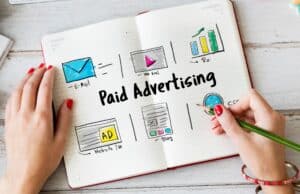
Pay-per-click (PPC) advertising allows brands to display ads to targeted audiences and pay only when someone clicks on the ad. Platforms such as Google Ads, Bing Ads, and social media channels like Facebook and LinkedIn enable advertisers to segment their audiences based on behavior, demographics, and interests.
PPC provides immediate visibility, making it an essential tool for driving traffic to campaigns, product launches, or promotions. However, PPC alone can be costly and lacks long-term organic growth benefits.
The Role of SEO
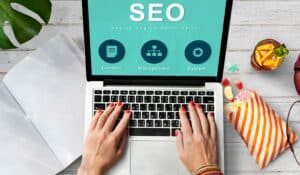
Search Engine Optimization (SEO) focuses on improving a website’s visibility in organic search results. Unlike PPC, SEO is a long-term strategy that builds authority and credibility over time. Strong SEO practices ensure that content is discoverable, relevant, and aligned with user intent.
Integrating SEO with PPC enhances both strategies. For instance, data from PPC campaigns can inform keyword targeting for SEO, while high-performing organic content can reduce PPC costs by improving Quality Scores.
Leveraging Social Media
Social media platforms amplify brand messaging and provide direct engagement opportunities. Paid social campaigns can be precisely targeted based on user behavior, location, interests, and even device type. When coordinated with PPC and SEO, social media helps nurture leads, maintain top-of-mind awareness, and drive conversions.
Benefits of Integrating PPC with SEO and Social
- Holistic Audience Insights
Combining PPC and SEO data provides a comprehensive view of audience behavior. Paid campaigns reveal immediate demand trends, while SEO uncovers long-term search behavior, allowing brands to tailor strategies effectively. - Improved ROI
Cross-channel integration ensures that marketing spend is optimized. High-performing keywords from SEO can inform PPC bids, and insights from social campaigns can refine targeting, leading to more efficient ad spend. - Consistent Messaging
Coordinated campaigns ensure that audiences receive uniform messaging across platforms. Consistency strengthens brand perception, builds trust, and drives higher engagement. - Enhanced Conversion Tracking
Integrated analytics enable precise measurement of campaign effectiveness. Marketers can attribute conversions accurately, understanding which combination of PPC, SEO, and social interactions drives results. - Increased Competitive Advantage
Brands that unify their channels often outperform competitors who operate in silos. Integrated campaigns allow for faster adaptation to market trends and more effective audience targeting.
Strategies for Effective Cross-Channel Integration
Effective cross-channel integration requires brands like Outfox to align goals, unify messaging, and coordinate analytics, ensuring PPC, SEO, and social media work together seamlessly to maximize engagement and campaign ROI.
Align Goals and KPIs
Before launching any campaign, clearly define objectives across all channels. Identify KPIs for PPC, SEO, and social media, ensuring they support overarching business goals. For example, if the goal is lead generation, track metrics such as cost per lead (CPL), organic traffic growth, and social engagement rates.
Unified Keyword Strategy
Keywords are the bridge between paid and organic search. Use PPC data to identify high-converting keywords, then optimize website content and SEO campaigns around these terms. Similarly, identify gaps in organic reach that PPC can fill immediately.
Consistent Creative Assets
Visuals, messaging, and brand tone should remain consistent across all channels. Whether it’s an ad on Google, a social media post, or an SEO landing page, cohesive branding increases recognition and trust.
Retargeting and Remarketing
Cross-channel retargeting ensures that users who interact with one platform are reminded of your brand on others. For instance, a user who clicks on a PPC ad but doesn’t convert can later encounter a retargeting social ad, reinforcing your message and encouraging action, an approach that is an essential part of effective PPC management.
Analytics and Reporting
Integrating analytics tools like Google Analytics, SEMrush, or HubSpot allows marketers to track user journeys across channels. Consistent reporting identifies what works, what needs optimization, and how to allocate budgets for maximum impact.
Challenges in Cross-Channel Marketing
While the benefits are substantial, integrating PPC, SEO, and social media is not without challenges:
- Data Silos: Different platforms often use separate tracking metrics. Without unified reporting, insights can be incomplete or misleading.
- Budget Allocation: Determining the optimal split between paid ads, SEO investment, and social campaigns requires continuous monitoring.
- Skill Requirements: Effective integration demands expertise in multiple disciplines, from paid advertising to content optimization and social strategy.
- Dynamic Platforms: Algorithms and user behavior change rapidly, requiring agile adjustments to campaigns.
Overcoming these challenges requires a combination of technology, talent, and strategic planning, which is precisely what Outfox offers to its clients.
Future Trends in Cross-Channel Paid Marketing
As digital ecosystems evolve, brands must adapt to emerging trends:
- AI and Automation: Machine learning can optimize ad targeting, bidding, and content recommendations across channels.
- Voice Search and SEO: Voice-activated devices are changing search patterns, requiring new keyword strategies.
- Social Commerce: Social platforms increasingly support direct purchasing, blending content with commerce.
- Data Privacy: With evolving privacy laws, marketers must balance personalization with compliance.
- Unified Customer Experiences: Brands will focus on delivering seamless journeys across devices and channels, emphasizing relevance and timing.
Conclusion
Cross-channel paid marketing is no longer optional—it’s essential for brands seeking measurable growth in a competitive digital landscape. By integrating PPC, SEO, and social media, businesses can create a cohesive strategy that maximizes reach, improves ROI, and delivers a seamless customer experience.
At Outfox, we help brands harness the power of data-driven insights, consistent messaging, and innovative tactics to stay ahead of the curve. Embracing cross-channel marketing ensures every interaction counts, turning prospects into loyal customers and campaigns into long-term success. Contact us today at Outfox to elevate your marketing strategy and drive measurable results.
Frequently Asked Questions
What is the main benefit of integrating PPC, SEO, and social media?
Integration ensures consistent messaging, better audience insights, improved ROI, and a seamless user journey across all channels.
How does PPC data enhance SEO performance?
PPC campaigns identify high-performing keywords, user intent, and trends that can inform SEO content optimization for better organic rankings.
Can social media campaigns work without PPC and SEO?
While possible, social media campaigns are more effective when aligned with PPC and SEO, creating a unified brand presence and reinforcing messaging.
How often should cross-channel campaigns be analyzed?
Continuous monitoring is essential, but formal analysis should occur at least monthly, with adjustments based on performance data and market trends.
Is cross-channel marketing suitable for small businesses?
Yes. Even small businesses benefit from integrated strategies, though budget and scale should be tailored to their resources and objectives.